
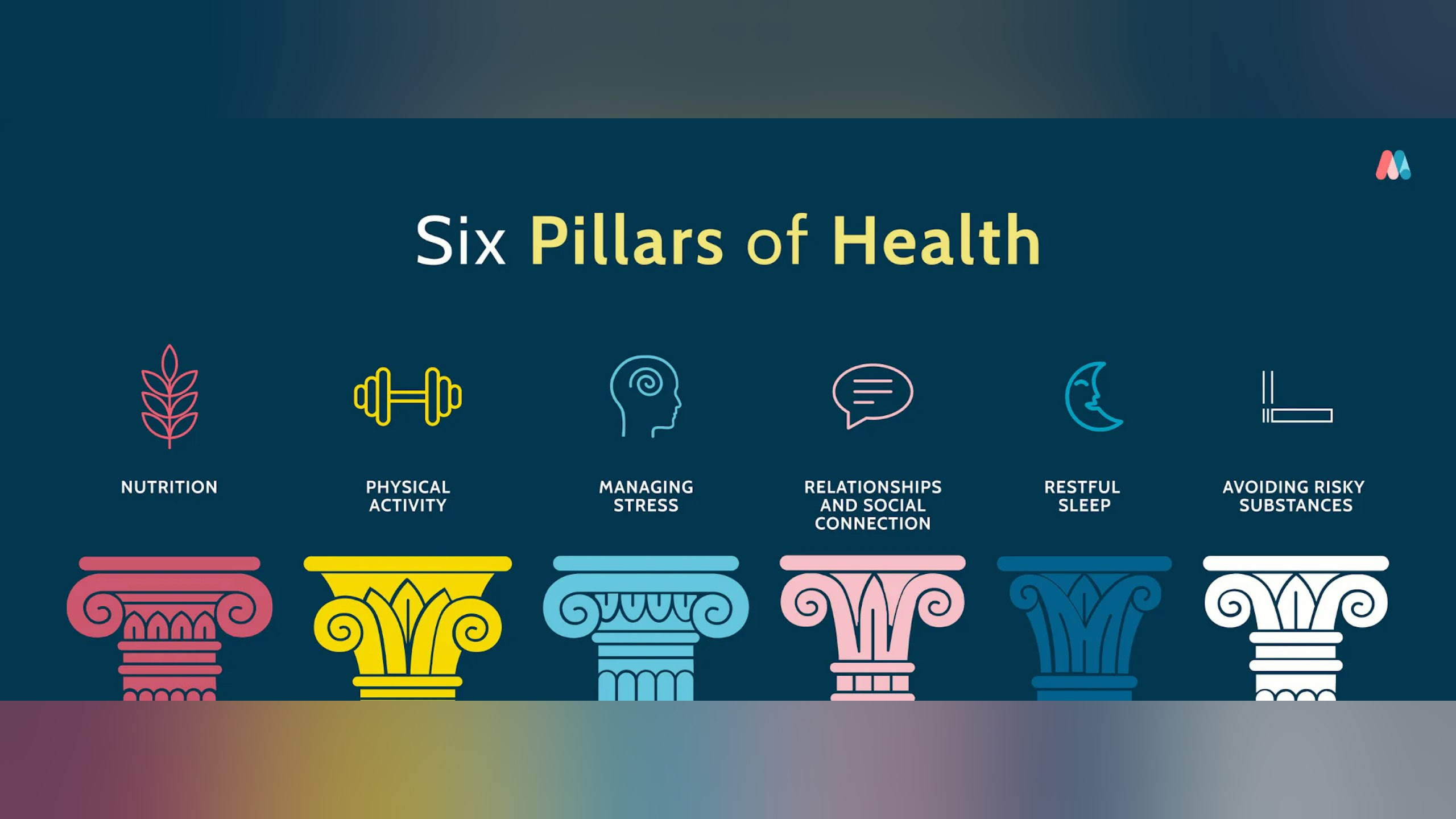
Lifestyle Medicine is a rapidly growing, evidence-based approach to healthcare that focuses on preventing, treating, and in some cases reversing chronic disease by addressing its root causes. Rather than relying solely on medications and procedures, it places lifestyle behaviours at the centre of care, empowering patients to take an active role in their long-term health.
In an era where conditions such as Type 2 diabetes, cardiovascular disease, obesity, and depression are increasingly prevalent, Lifestyle Medicine offers a timely and necessary shift in how we think about health and healthcare.
Why Do We Need Lifestyle Medicine?
Chronic, non-communicable diseases account for the majority of morbidity, mortality, and healthcare spending worldwide. According to the World Health Organization, many of these conditions are largely driven by modifiable lifestyle factors.
Traditional medical models are excellent at managing acute illness and advanced disease, but they often fall short when addressing:
- Long-term behaviour change
- Disease prevention
- Multi-morbidity driven by lifestyle factors
Lifestyle Medicine fills this gap by targeting the underlying drivers of illness rather than only managing downstream consequences.
The Core Pillars of Lifestyle Medicine
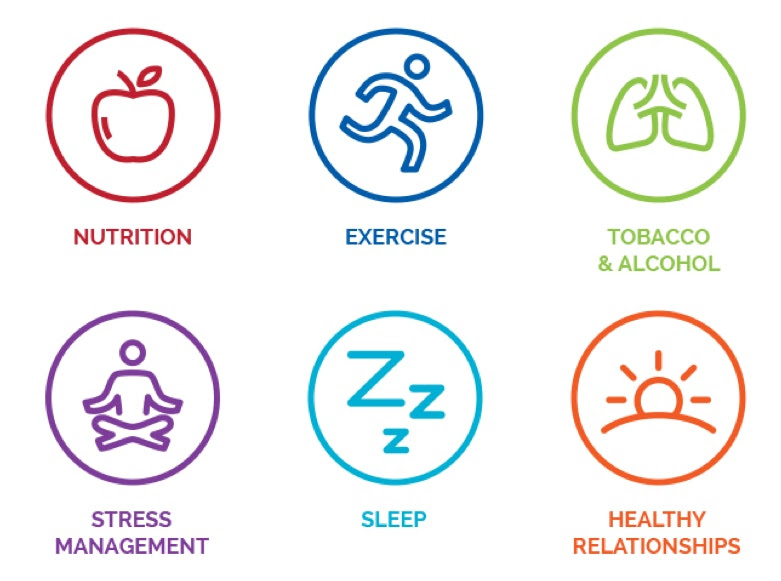
Lifestyle Medicine is built around six interconnected pillars, each supported by a strong and growing evidence base:
1. Nutrition
A focus on whole, minimally processed foods — often plant-predominant — tailored to individual, cultural, and medical needs. Nutritional interventions can significantly improve cardiometabolic health, glycaemic control, and inflammatory markers.
2. Physical Activity
Regular movement is prescribed as medicine. This includes aerobic exercise, strength training, and reducing sedentary behaviour, all of which play a key role in preventing and managing chronic disease.
3. Sleep
Poor sleep is strongly linked to obesity, insulin resistance, cardiovascular disease, and mental health disorders. Optimising sleep quantity and quality is a foundational element of Lifestyle Medicine care.
4. Stress Management
Chronic stress contributes to hormonal dysregulation, inflammation, and unhealthy coping behaviours. Techniques such as mindfulness, relaxation strategies, and cognitive approaches are integral to care.
5. Social Connection
Loneliness and social isolation are now recognised as major health risks, comparable to smoking and obesity. Strengthening social relationships is a vital but often overlooked therapeutic intervention.
6. Avoidance of Risky Substances
Supporting patients to reduce or eliminate tobacco, excessive alcohol, and other harmful substances remains a cornerstone of disease prevention and health promotion.
How Is Lifestyle Medicine Practised?
Lifestyle Medicine is not about offering generic advice or “telling patients to eat better and exercise more.” Instead, it involves:
- Collaborative, patient-centred consultations
- Behaviour change techniques such as motivational interviewing
- Goal setting and shared decision-making
- Multidisciplinary teamwork, often involving health coaches, dietitians, and exercise professionals
Importantly, Lifestyle Medicine complements — rather than replaces — conventional medical treatments, integrating seamlessly with pharmacological and procedural care where appropriate.
The Evidence Base
A growing body of high-quality research demonstrates that lifestyle interventions can:
- Improve glycaemic control and reduce medication burden in type 2 diabetes
- Lower blood pressure and cardiovascular risk
- Support weight loss and metabolic health
- Improve mental wellbeing and quality of life
Professional bodies such as the British Society of Lifestyle Medicine have played a key role in promoting education, research, and clinical standards in this field.
Lifestyle Medicine in Primary Care

Primary care is uniquely positioned to deliver Lifestyle Medicine. GPs and primary care clinicians often manage patients with complex, long-term conditions over many years, making them ideally placed to support sustainable lifestyle change.
With appropriate training and system-level support, Lifestyle Medicine can:
- Reduce reliance on medications
- Improve patient engagement and satisfaction
- Address health inequalities
- Support more sustainable healthcare systems
Looking Ahead
Lifestyle Medicine represents a return to the core principles of medicine: understanding the person behind the disease and addressing the factors that truly drive health and illness. As healthcare systems face increasing pressure from preventable chronic disease, Lifestyle Medicine is no longer optional — it is essential.
For clinicians and patients alike, it offers a hopeful, empowering, and scientifically robust path towards better health.