
When people think about physical activity, they often picture gyms, sweat, or punishing workout plans that don’t last past January. In Lifestyle Medicine, physical activity is framed very differently. It isn’t about athletic performance or chasing an ideal body. It’s about how regularly we move our bodies, in ordinary life, over many years.
Movement is not optional for human health. It is one of the strongest predictors of longevity, functional independence, and quality of life.
Movement Is Medicine — Literally
Physical activity affects almost every system in the body. Regular movement improves insulin sensitivity, lowers blood pressure, reduces visceral fat, strengthens bones and muscles, improves mood, and reduces the risk of cardiovascular disease, type 2 diabetes, dementia, depression, and some cancers.
What’s striking is how quickly benefits begin. Improvements in blood sugar control, energy levels, sleep quality, and mood can occur within days to weeks, even before any visible changes in weight.
In many cases, increasing activity has an effect size comparable to medication — and with far fewer side effects.
Rethinking What “Counts” as Exercise
One of the biggest barriers to physical activity is the belief that it has to be intense, structured, or time-consuming to be worthwhile. That belief stops people before they even start.
In Lifestyle Medicine, all movement counts:
- Walking
- Climbing stairs
- Gardening
- Playing with children
- Household tasks
- Short bouts of activity spread through the day
Consistency matters far more than intensity. A daily 20–30 minute walk, sustained over years, is more powerful than occasional bursts of extreme exercise.
The Problem With Sitting
Modern life has engineered movement out of our days. Many people can meet the minimum exercise guidelines yet still spend most of their waking hours sitting.
Prolonged sedentary time is independently associated with:
- Higher cardiovascular risk
- Poorer metabolic health
- Increased all-cause mortality
Breaking up sitting time by standing, stretching or walking for a few minutes, is a simple but often overlooked intervention especially for people who work at desks.
Strength Matters More Than Most People Realise
Aerobic activity often gets the spotlight, but muscle-strengthening activity is just as important, particularly as we age.
Loss of muscle mass and strength contributes to:
- Frailty
- Falls
- Insulin resistance
- Loss of independence
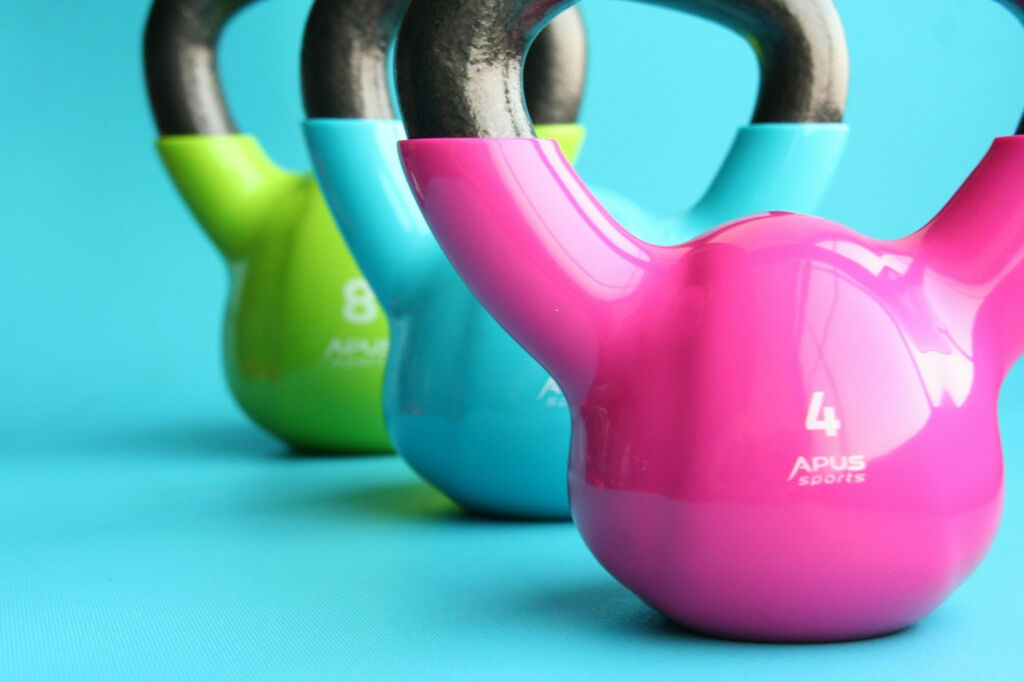
Strength training does not require a gym. Bodyweight exercises, resistance bands, or light weights done two to three times per week can significantly improve strength, balance, and metabolic health.
For many people, preserving muscle is one of the most powerful forms of disease prevention.
Physical Activity and Mental Health
Movement is one of the most underused tools in mental health care. Regular physical activity is associated with reduced symptoms of anxiety and depression, improved stress resilience, and better cognitive function.
For some patients, walking outdoors or gentle exercise becomes a crucial part of managing mood — not as a replacement for other treatments when needed, but as a foundational support.

Making It Sustainable
The best type of physical activity is the one that fits into someone’s real life.
Helpful questions include:
- What movement do you already enjoy?
- What feels realistic on your busiest days?
- How can movement be built into routines rather than added on as another task?
Lifestyle Medicine avoids rigid prescriptions. Instead, it encourages personalised, achievable movement plans that can evolve over time.
A Simple Place to Start
For someone currently inactive, a realistic starting point might be:
- A short daily walk
- Standing up regularly during the day
- Gentle strength exercises twice per week
These small changes compound. Over time, they can lead to meaningful improvements in physical health, confidence, and energy.
Final Thoughts
Physical activity is not about doing more, rather it’s about moving more often. As a pillar of Lifestyle Medicine, it supports nearly every aspect of health and works best when it is consistent, enjoyable and sustainable.
You don’t need perfect routines or extreme goals. You need movement that fits your life and continues long enough to matter.